How AI Technology Will Change the Future of Engineering
AI is already redesigning bridges, catching factory defects, and rewriting what it means to be a good engineer — here's what's really changing.
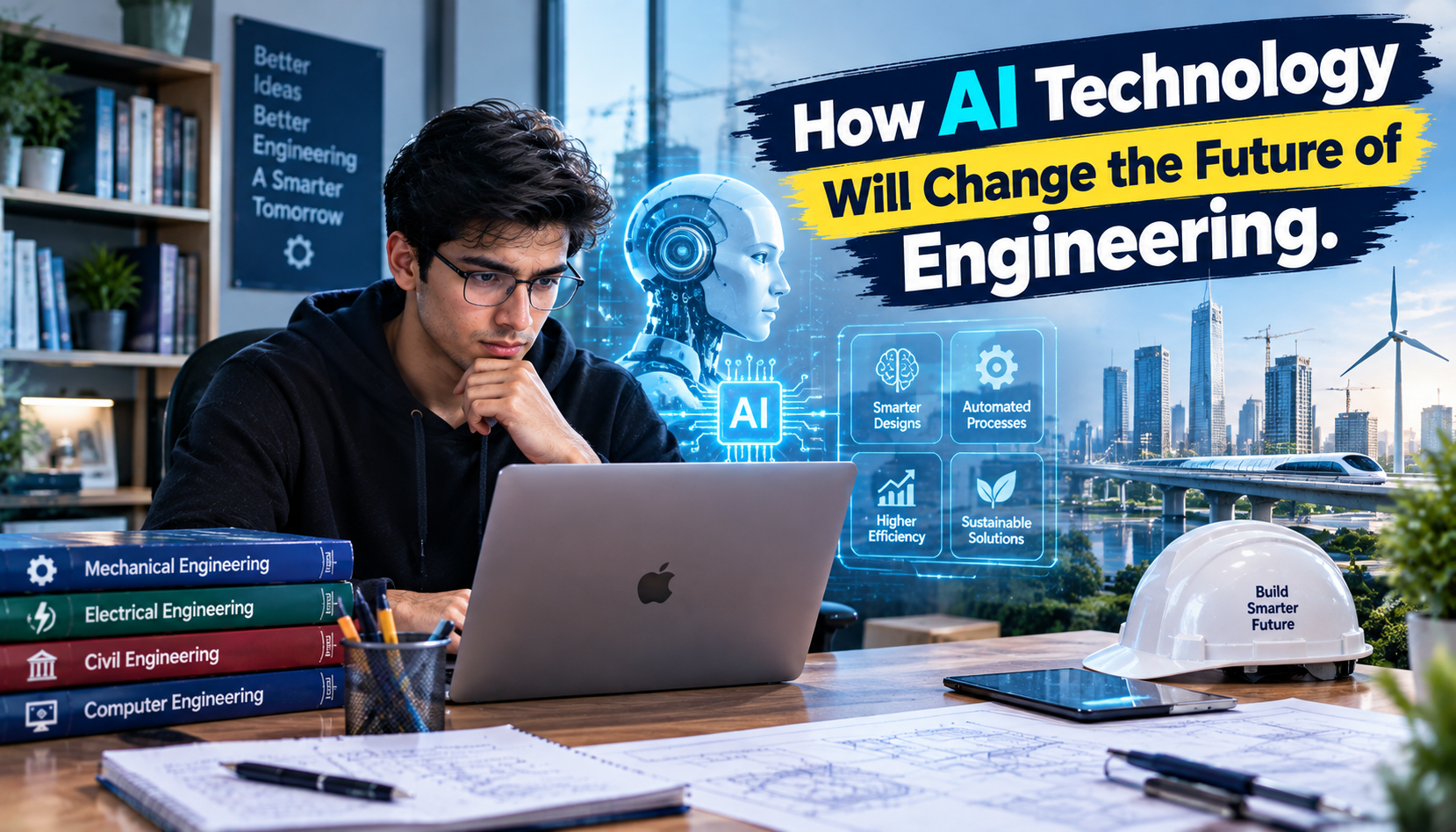
Engineers thought they were safe in their jobs, or so they thought. I mean, a machine could slap together a car part, but designing it? That's still uniquely human. But yeah, a computer can do some serious math, no question. Figuring out what matters most, though, is still where engineers hold the line.
It's one thing to build, totally different to truly create. We've all seen those machines do some pretty cool stuff, but like, what's the point if it's not getting us anywhere? A computer can crunch numbers all day, but what are we even building towards?
I used to think AI was just gonna help me work way faster, said a structural engineer after some AI software pretty much redesigned his project overnight. "Now I'm starting to think it's quietly figuring out how to do parts of my job without me.
This isn't some sci-fi plot twist; it's happening right now in how bridges get designed, factories run, and students are learning engineering. And let's be real, nobody actually knows where it stops.
That's changing fast, and most engineers were caught off guard by how quickly it all happened.
What's Already Changing
Here's the thing: AI is basically a design machine now – it churns out hundreds of ideas in the time it takes a single engineer to, like, draw one sketch from scratch. And it's not just design; it's also testing and quality control on steroids – quickly spotting mistakes and offering fixes before you even know there's an issue.
On production lines, AI is moving faster than any human eye - it's got a radar for problems that humans can't match. I'm talking manufacturing plants, construction sites - you name it, AI is predicting which materials might fail months ahead of time.
We're not talking about engineers losing their jobs overnight, though. It's the mundane stuff that's changing, the repetitive tasks that they just can't keep up with. The boring bits, you know?
Should You Be Worried?
Entry-level jobs are the thing that's freaking people out - they're basically just repetitive calculations that AI is way better at than humans. You're gonna be stuck in a rut if you're only doing the same old thing your seniors did 10 years ago and expecting a promotion. That's not the end of the world if you're cool with taking on more responsibility and making bigger decisions that AI still can't touch. Look, speed isn't everything, and AI might be blazing fast, but it still can't figure out what really matters to actual people in real life.
What AI Still Can't Do
AI can build a super cheap bridge that's crazy strong. But it can't actually walk the site, figure out what the community's really missing, or pick between two tough options when there's no clear winner. No way it can take the fall if something goes wrong. And yeah, it can't sit down with a worried client and walk through the thought process behind a tricky decision in a way that puts their mind at ease.
That's exactly why human engineers are where it's at – even more so. They can balance super-speed with every-bit-as-good decision-making skills, all while taking the high road in tough spots.
The New Skill Engineering Schools Rarely Teach
Honestly, a few years back, memorizing formulas was the ultimate skill. Now, knowing how to use AI competently might be just as valuable as being able to double-check its outputs, identify its flaws, and combine it with a human touch.
People who see AI as a rival are on edge, and that's fair enough. Meanwhile, the ones who treat it as a utility are already ahead of the curve, pouncing on mistakes before they become issues and focusing on the problems that only a human can handle.
What This Means If You're Studying Engineering Right Now
Honestly, if you're a student right now, here's the lowdown: it's not just about mastering equations and formulas. Learn to think on your feet, question the status quo, and adapt to new situations.
Start working with AI early on; trust me, it's not going anywhere, and you might as well get used to it. Focus on developing skills that machines still can't quite crack: morals, ethics, and clear, concise communication. Don't just tackle the tech side of things – really, look at the people and the real-world impact of your projects. Keep pushing yourself to learn; weirdly, some subjects that confuse you in class make perfect sense when someone breaks it down in a way that clicks.
Where Students Are Turning for Extra Help
You know, it's no wonder engineering students are swarming to platforms like GoTutify - they're sick of being left on their own to decipher confusing concepts. GoTutify hooks 'em up with real tutors who can break it down, either online or in-person, making it way easier to grasp stuff they just don't get.
Look, engineering's constantly evolving because of AI, and having someone to walk you through the tricky stuff, one-on-one, makes all the difference. Honestly, it's a small thing, but sometimes it's what matters most in the end.
So, What Now?
Honestly, AI's not the end of engineering as we know it, but it's changing the game. It's not about who can calculate the fastest – because machines will always win that contest – but about who can ask the right questions, spot red flags, and bring judgment to the table. That's hard to do on your own, especially when it comes to complex concepts. You need someone to break it down and explain it in a way that makes sense, as a good tutor does.
That's why more students are turning to platforms like GoTutify, where they can get personalized help and finally understand the confusing parts. It's not about humans against machines – we're not in a competition here. It's about engineers who take the time to learn, to ask questions, and get help when they need it. Honestly, it's a no-brainer: those who use AI to their advantage will be the ones ahead of the curve.
The future of engineering isn't about humans versus machines; it's about humans using machines to do what we're good at – understanding the nuances, making connections, and pushing the limits. Those who adapt, who learn to work with AI, will be the ones who stay ahead of the pack. Everyone else will be scrambling to catch up.
Explore personalised tutoring at gotutify.com.